Curriculum

The school curriculum is based on a traditional, structured model which incorporates innovation and twenty-first century methodology and ideas. This amalgam creates a stimulating and challenging academic environment where all children are extended fully and encouraged to work at their level of potential and beyond.  Teaching and learning through inquiry is promoted and developed at all class levels at the school.
 
The school day is structured to ensure there is an appropriate balance of time and curriculum diversity. The children have the advantage of having their classroom teacher for literacy and numeracy learning during the morning, and specialist staff to guide them through the other disciplines such as science, physical education, art, music, dance & drama, te re Maori, and religious education during the afternoons. This means all the essential learning areas of the New Zealand Curriculum are delivered in manageable learning components each and every week. By providing the classroom teachers with the opportunity to specialise in one or more areas of the curriculum, the children benefit from teachers who are enthusiastic and passionate about their specialist subject-area. This also means that learning can be taken further because of the knowledge and expertise of the staff. The different learning areas covered are:
 

  • Literacy: a significant part of each morning is reserved for shared, guided and independent reading, for personal writing in different genres, spelling and word-study, and handwriting. Literacy learning is completed in ability groupings within each classroom.
  • Numeracy: the school follows the number framework (NUMPa) which focuses on the development of number knowledge and number strategies. Numeracy learning occurs daily at all class levels. The numeracy learning is completed in ability groupings within each classroom.
  • Visual Art: each class has one hour per week dedicated to art learning. Specialist classroom teachers deliver art in the school’s dedicated art room. Each term there are also art workshops delivered by community artists.
  • Physical Education: each class has two half-hour lessons of physical education which covers all the disciplines of the PE programme. This includes adventure based learning, gymnastics, small and large ball handling, hitting and striking, orienteering, modified games, and athletics. The junior classes (Y0-Y4) also complete swimming instruction (at the indoor pool during Term 1) and folk-dancing.
  • Science: at the middle and senior school levels (Y5-Y8), all classes have one hour of science a week delivered by a specialist teacher. Although the specific subject matter may be a part of the inquiry learning model. The science learning is discipline-specific and provides the children with the necessary background knowledge and information to apply the concepts learned in the inquiry environment. The junior classes (Y1-Y4) have their science focus incorporated in the inquiry topic under study.
  • Social Sciences/Technology: these two learning areas form the basis for the development of inquiry learning especially at the middle and senior school levels (Y5-Y8). Between an hour and two hours is allocated each week for development of these learning areas within a specific context.
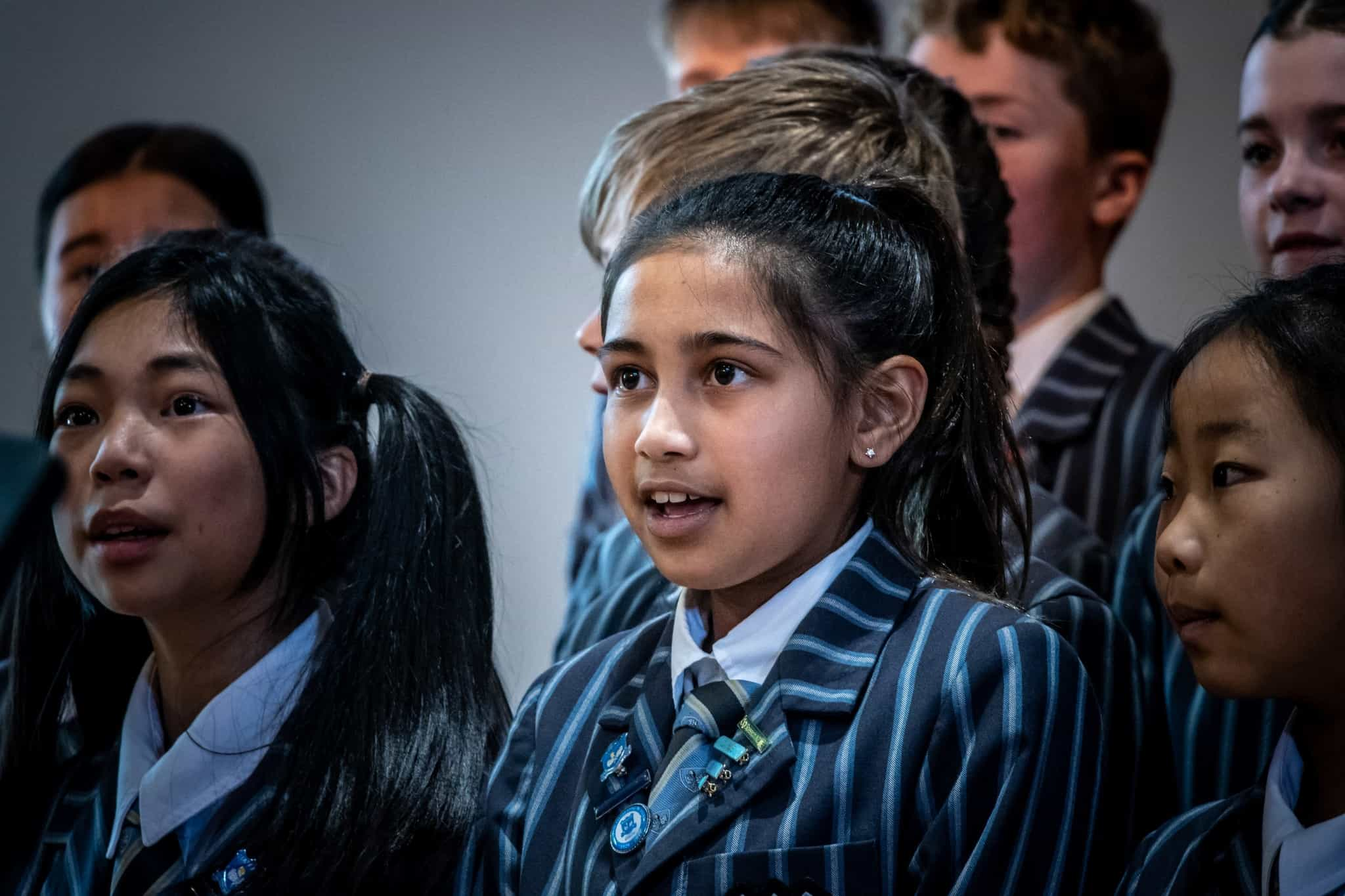
  • Music: a specialist music teacher delivers a half-hour of music learning to all classes each week in the dedicated music room. The focus is on practical learning so the children are composing, creating, and playing music at every opportunity. Children also have the opportunity to have individual music tuition in any instrument. These lessons occur during the day in the music practice rooms. The school also boasts three choirs (junior, middle, senior), a waiata group, and a school orchestra.
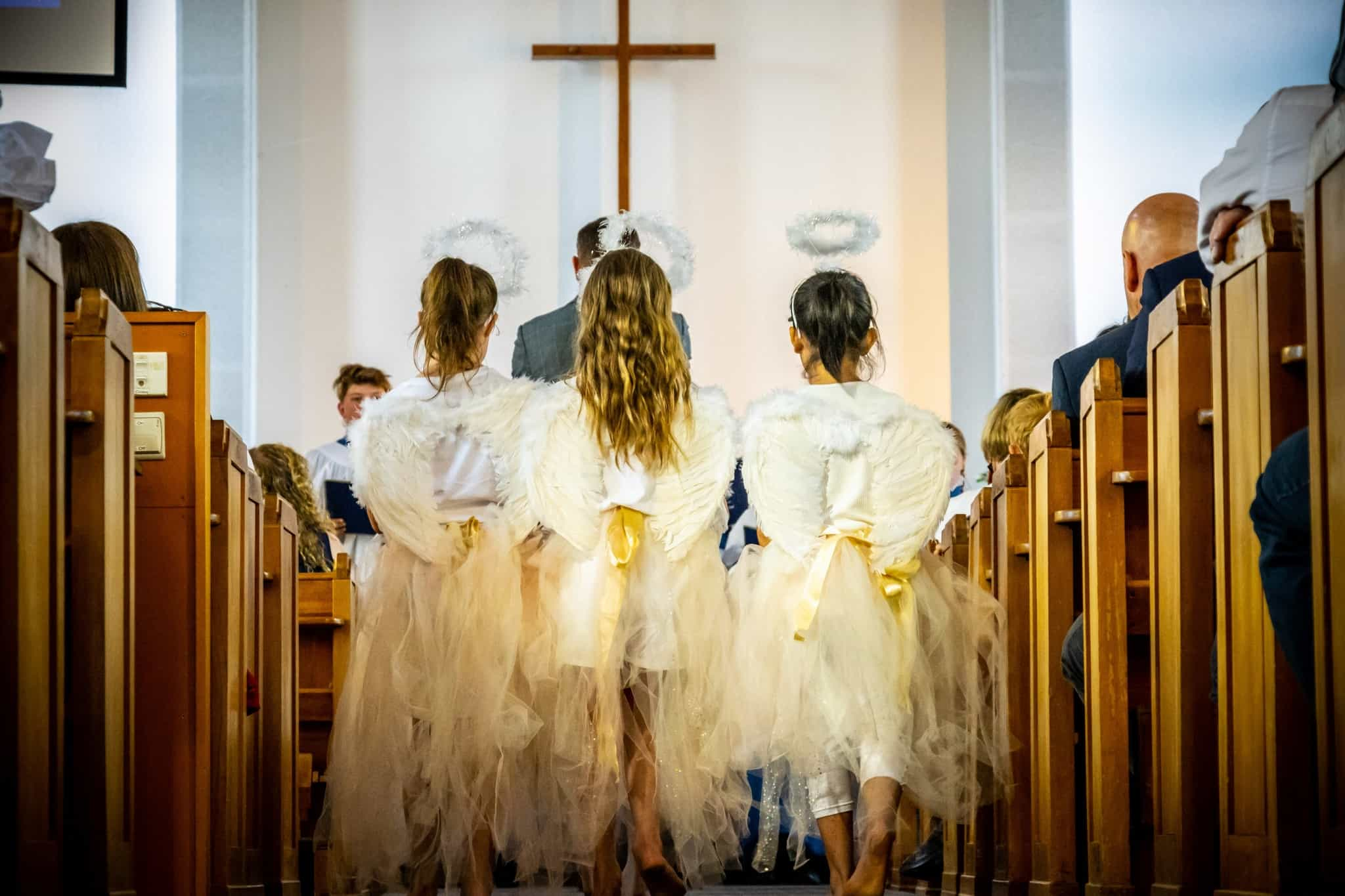
  • Religious Education: the school’s director of religious studies has a half-hour lesson with each class each week in the Religious Education Room. The school follows the Anglican School’s religious education curriculum.
  • Dance & Drama: the school is very fortunate to have two halls which means that one of these spaces is dedicated for dance & drama classes. A specialist teacher provides practical learning in dance and drama for half an hour per week for every class. The learning covered in these lessons often forms the basis for dramatic performances at the end of the term.
  • Te Reo Maori: as an acknowledgement to the Treaty of Waitangi and the biculturalism of New Zealand, the school feels it is very important to have a fluent Maori teacher to deliver teaching and learning in te reo Maori and tikanga Maori. Each class is timetabled for half an hour per week in the languages room.
  • Health: health education is delivered by each classroom teacher for a half hour period each week.
  • Foreign Language: the Y7 & Y8 classes have a half hour a week of foreign language learning in French.

 
Prep is set by the teachers from Monday to Thursday and this work is generally a consolidation or extension activity related to an aspect of numeracy or literacy currently under study. Basic routines such as spelling words, times-tables, basic facts and reading also form part of the prep programme.
 
Teaching children for the twenty-first century means technology and ICT are a pivotal part of curriculum delivery – not just as tools but as an integrated component of the learning programme. The school has a wireless network that allows children to be on-line anywhere. All the classrooms are digitally enhanced so the children have access to computers as and when they require them. In the middle and senior school classrooms each child has a computer available to use during the school day. Children have ready access to powerful information technology as a natural part of their learning journey.